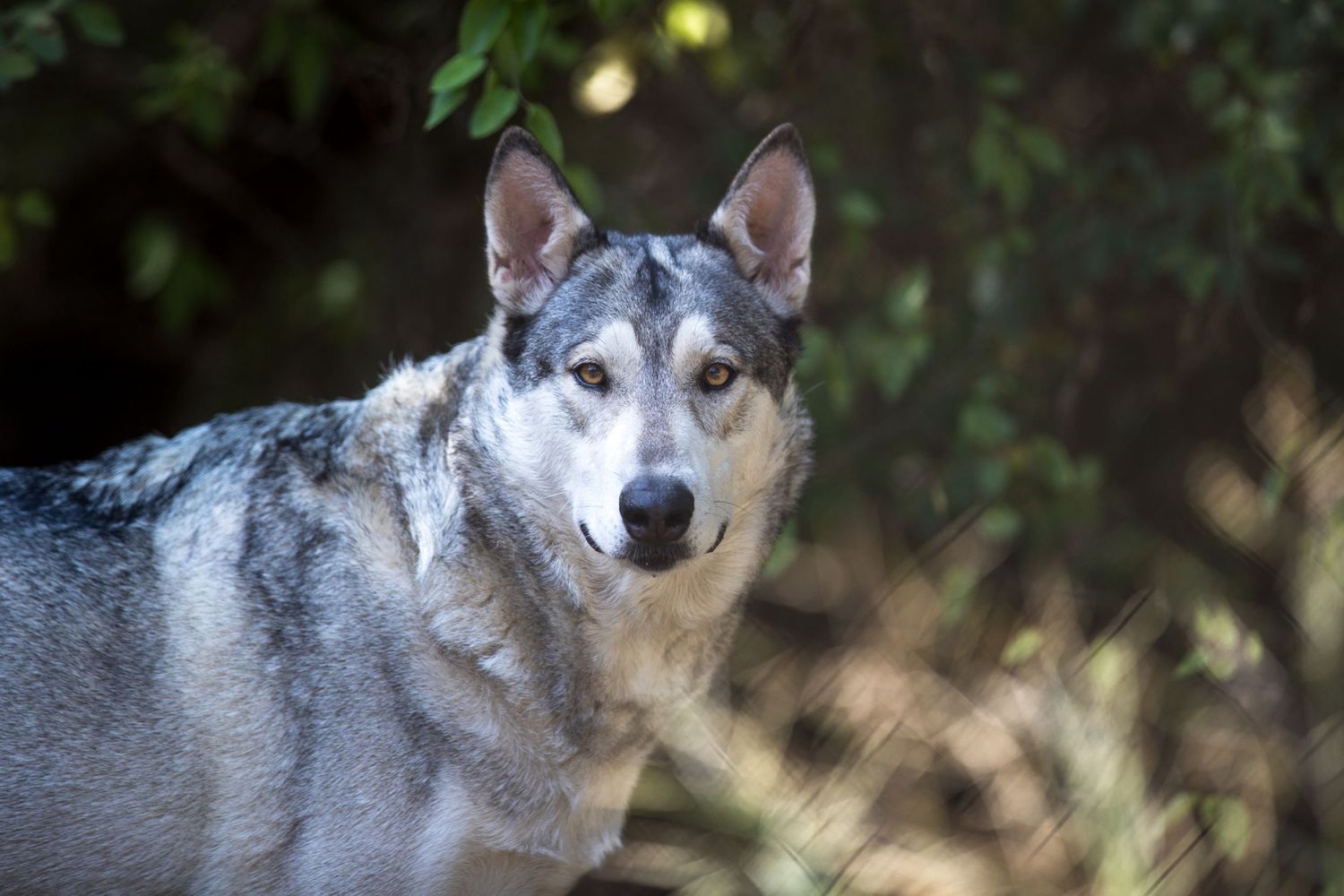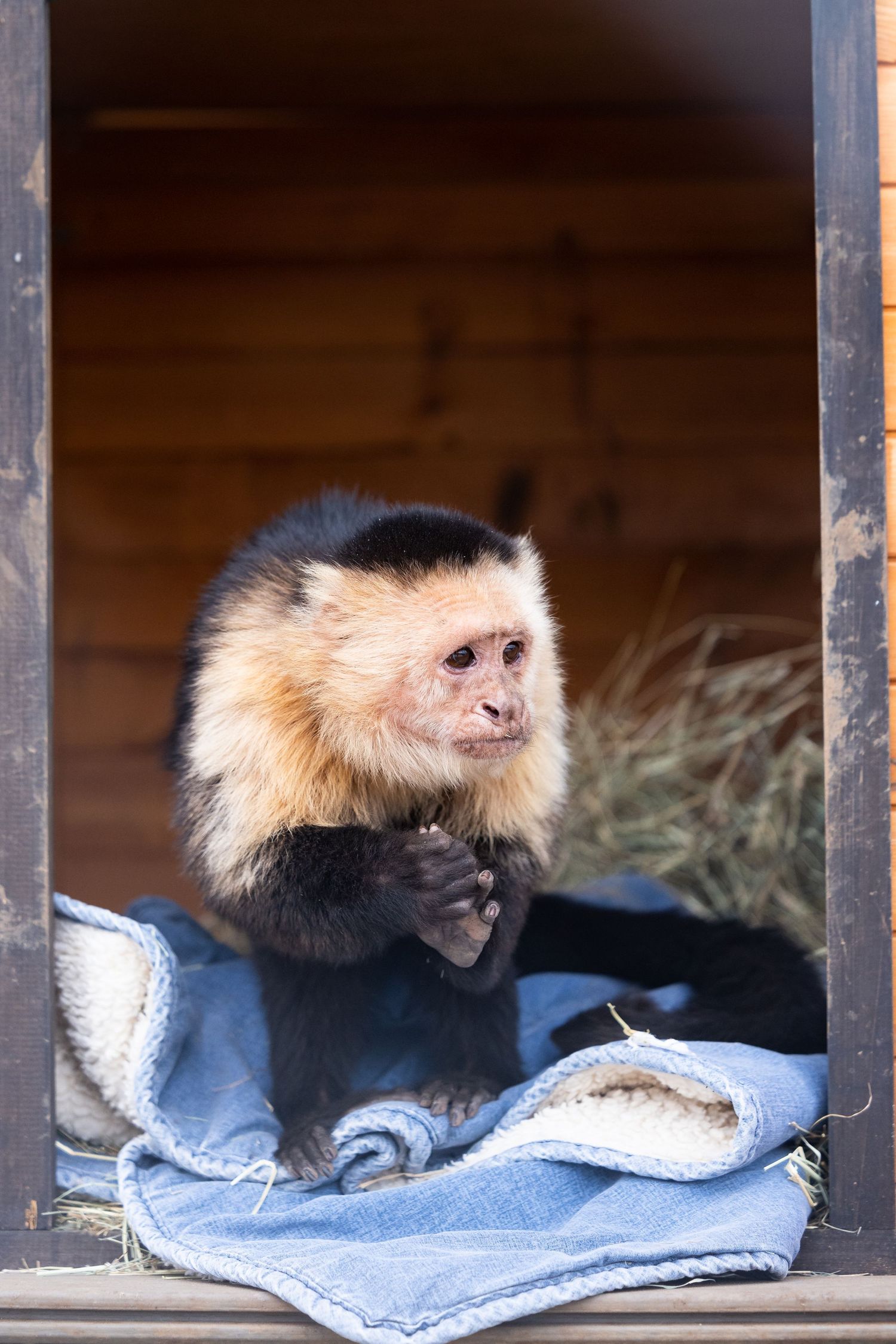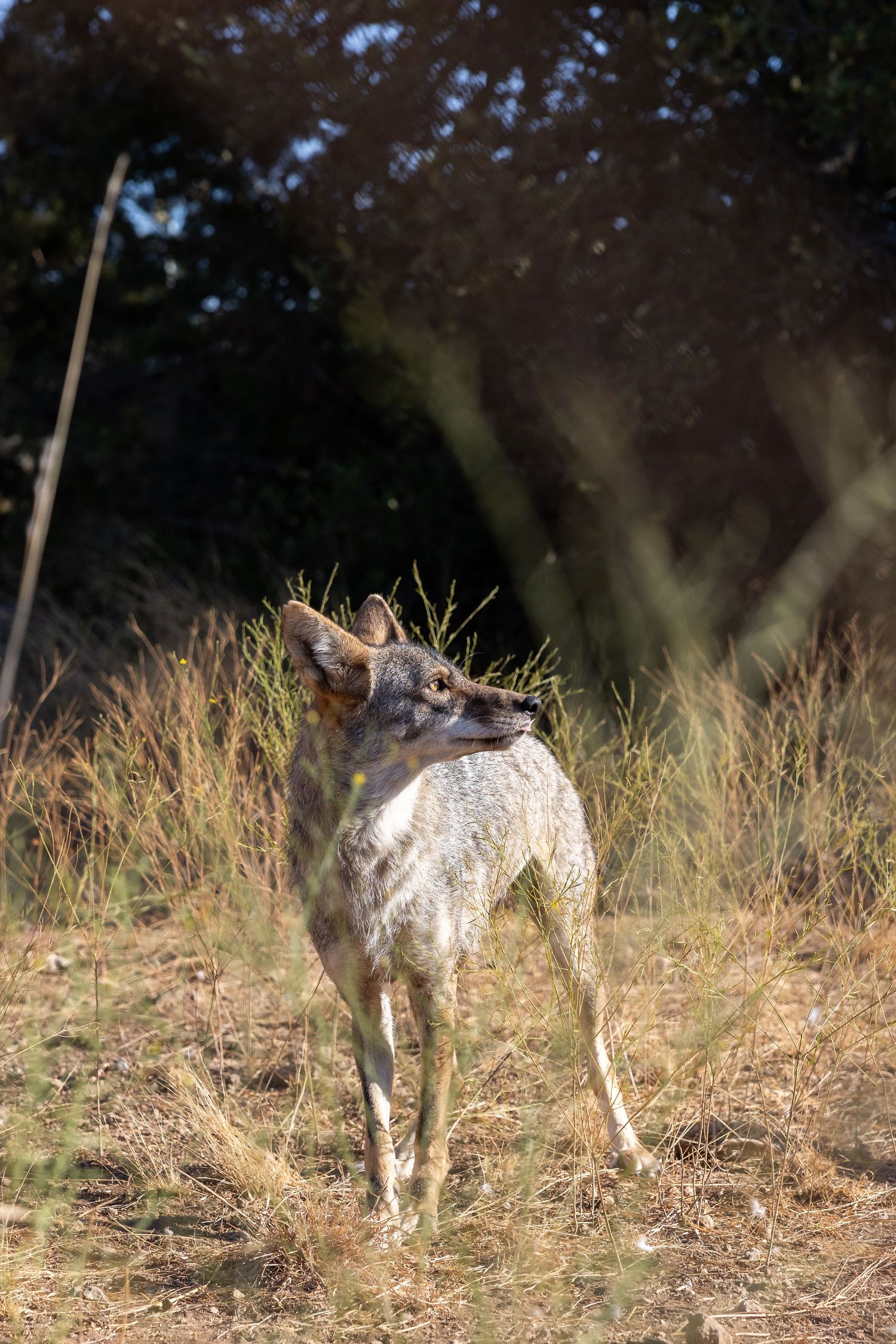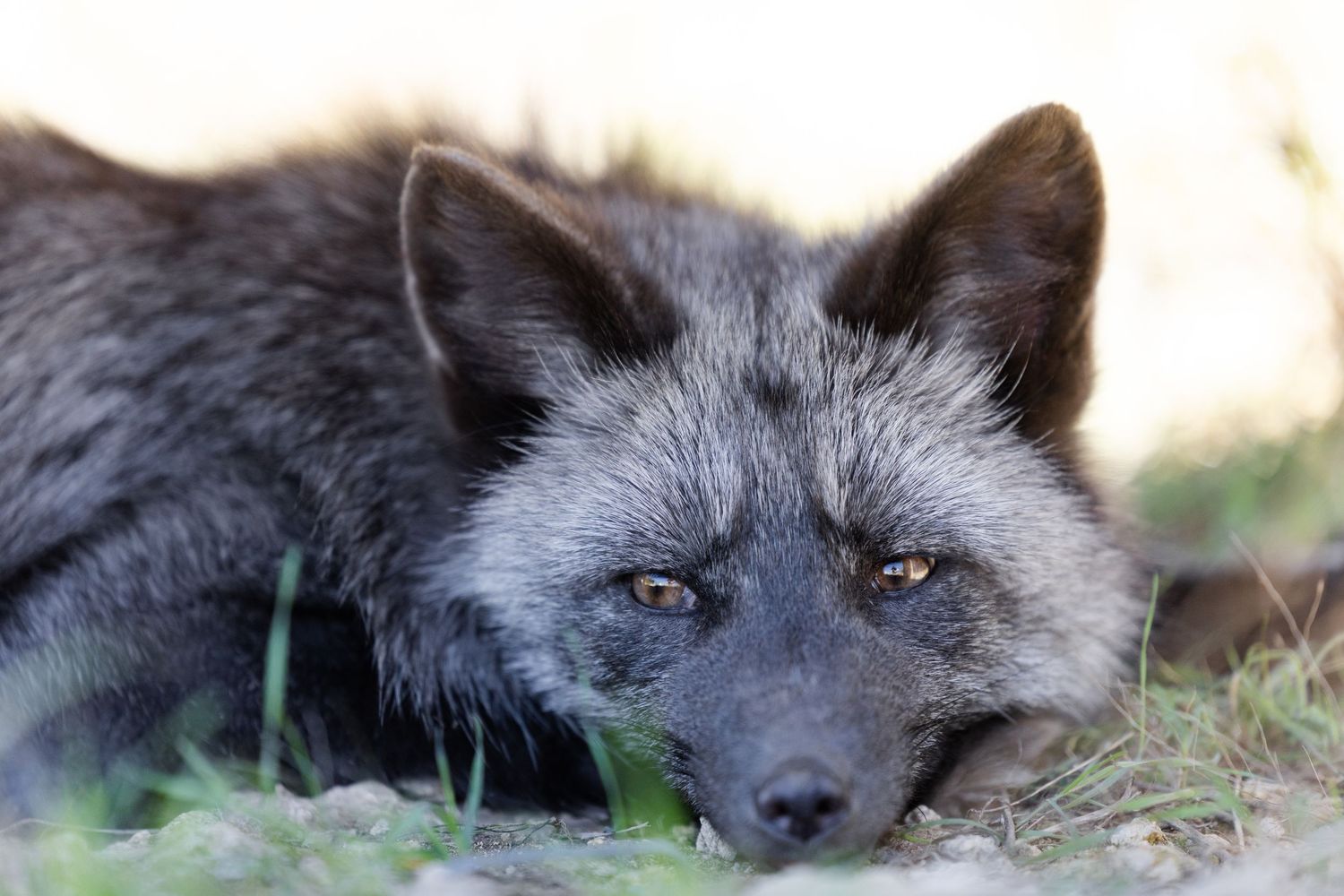
Fieldwork traditionally conjures images of remote forests or savannas. But today, sanctuaries and ethical zoological institutions are increasingly recognized as meaningful research environments — especially when studying surrendered, non-releasable, or rescued animals.
These environments allow researchers to explore questions that may be impossible to investigate in the field.
Why Sanctuary Fieldwork Matters
Animals entering managed care often have:
- Unique backgrounds
- Varying trauma histories
- Interruptions to natural development
- Differing degrees of human imprinting
- Medical needs
This diversity creates opportunities to study:
- Adaptation
- Social re-integration
- Resilience
- Cognitive flexibility
These lessons inform broader conservation science.
Studying Healing
One powerful area of study involves trauma recovery.
Researchers have observed animals demonstrating:
- Gradual trust-building
- Re-engagement with play
- Formation of friendships
- Increased exploration
These processes can teach us about mental health across species — and about what environments best support emotional recovery.
Long-Term Social Observation
One of the greatest strengths of sanctuary fieldwork is continuity.
Observers can study the same animals for decades, noting how:
- Individuals develop
- Social roles change
- Hierarchies form
- New members integrate
Aging affects behavior
This level of relational knowledge is rare in the wild.
Collaboration With Ethical Zoological Facilities
Accredited zoos often participate in conservation and research efforts, contributing to fields such as:
- Reproductive science
- Species survival planning
- Habitat simulation
- Behavioral study
Though views differ on managed care, these institutions undeniably allow researchers to closely observe species that may be inaccessible in natural habitats due to remoteness, environmental sensitivity, or population size.
Their work can complement field conservation — creating a holistic understanding of species needs.
A Shared Future
Sanctuary and zoo-based research is not a replacement for fieldwork but a partner to it.
Together, these approaches help deepen our knowledge of:
- Cognition
- Sociality
- Emotional life
- Species conservation
- Welfare science
By working across environments, we gain a fuller picture of the animal world.