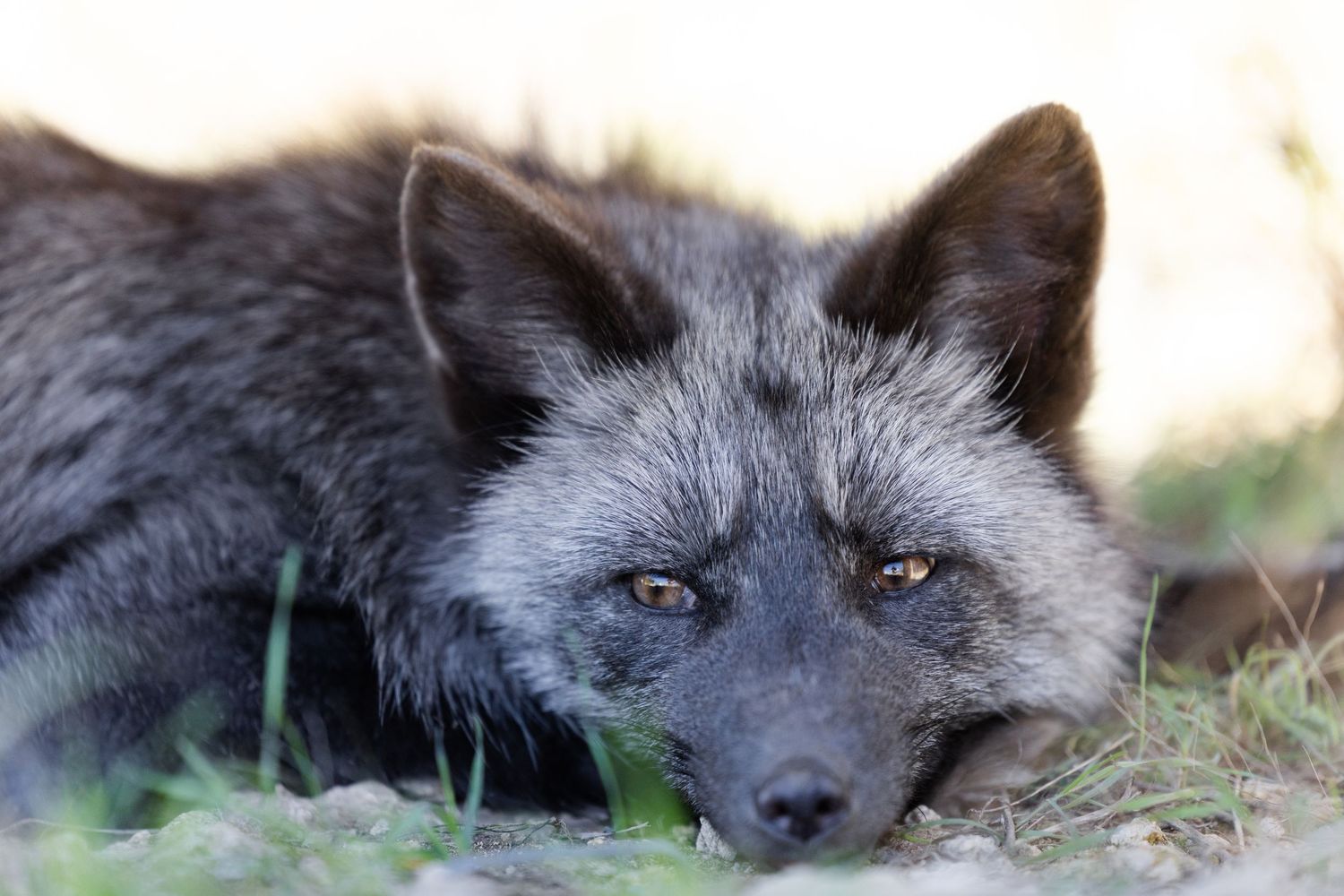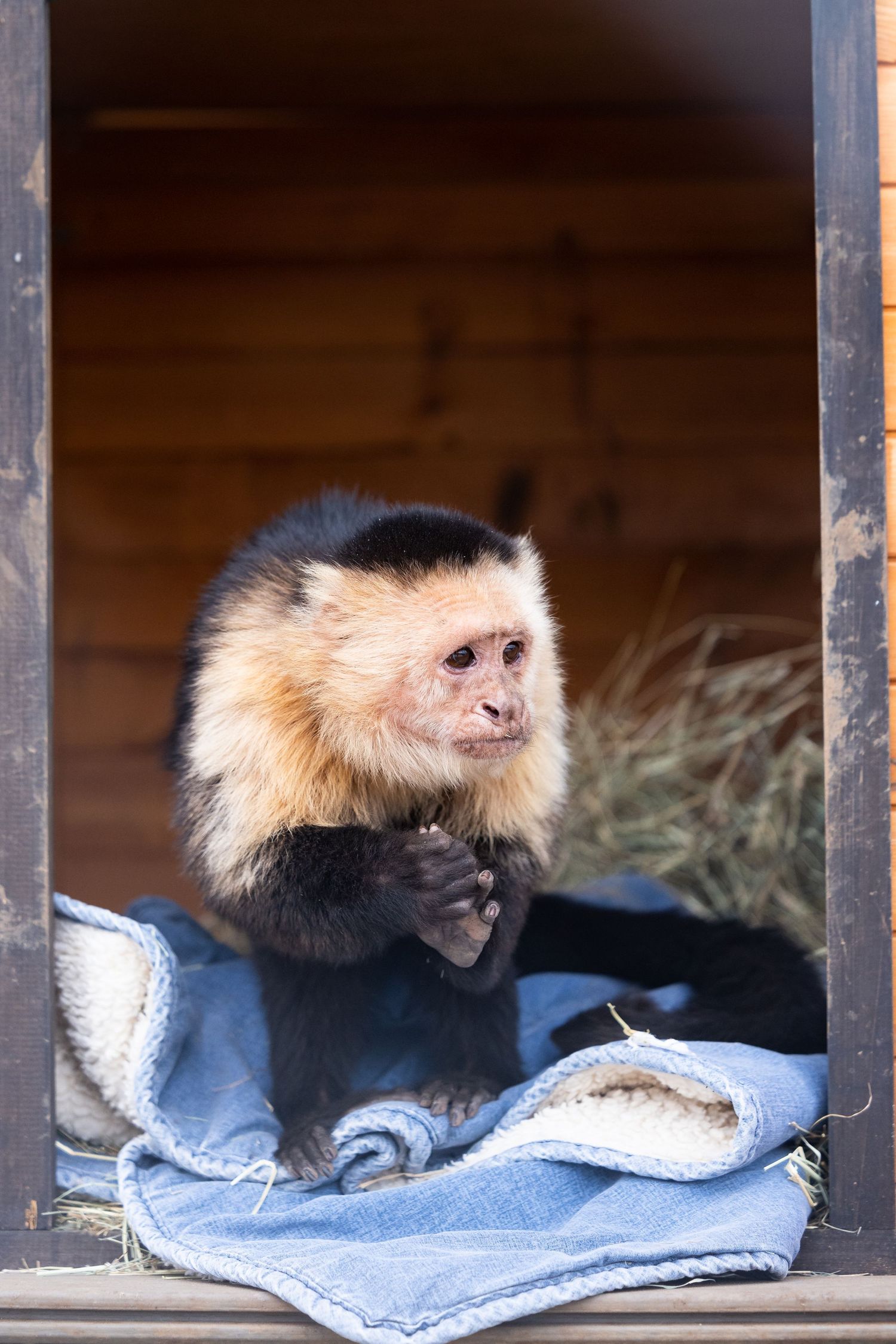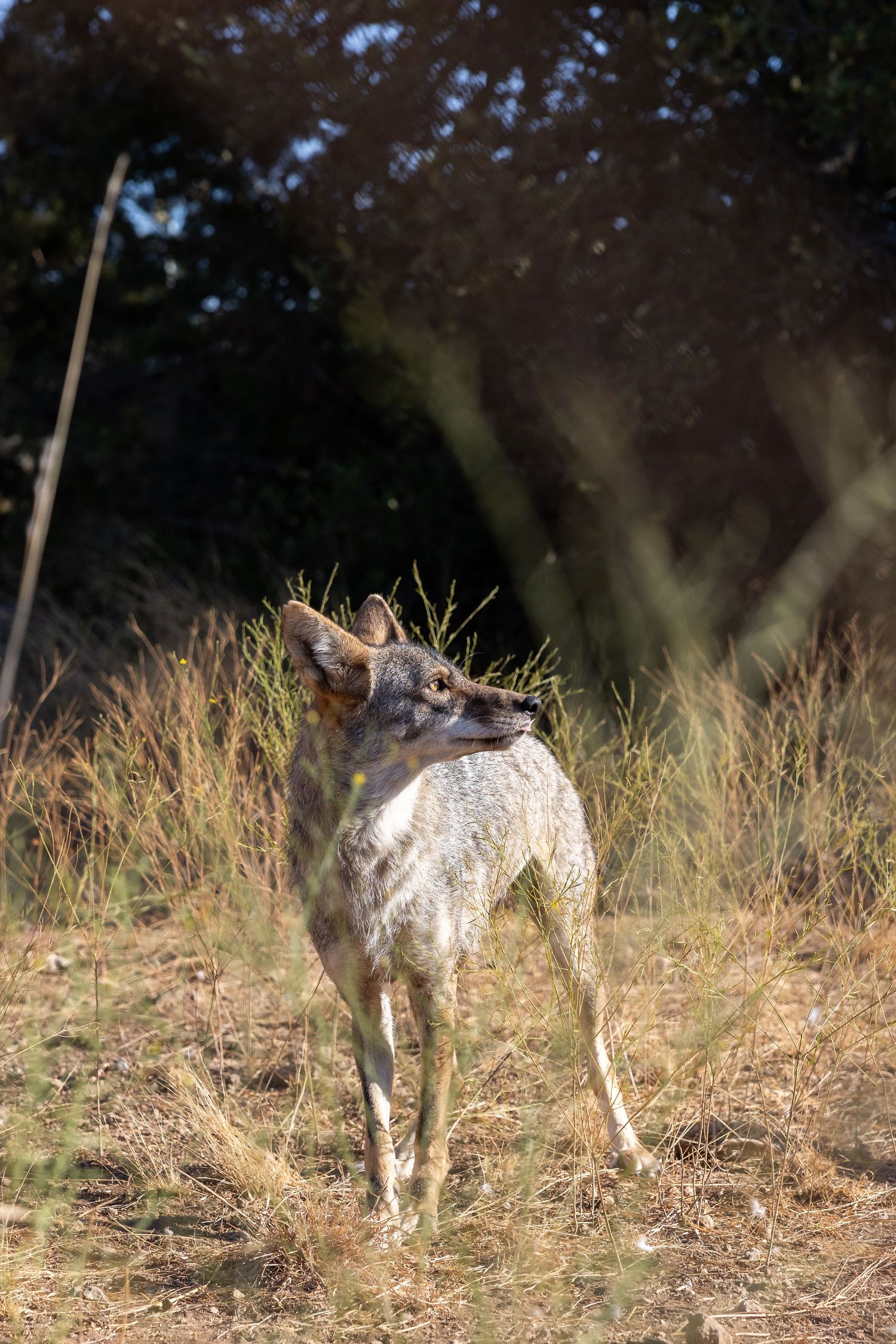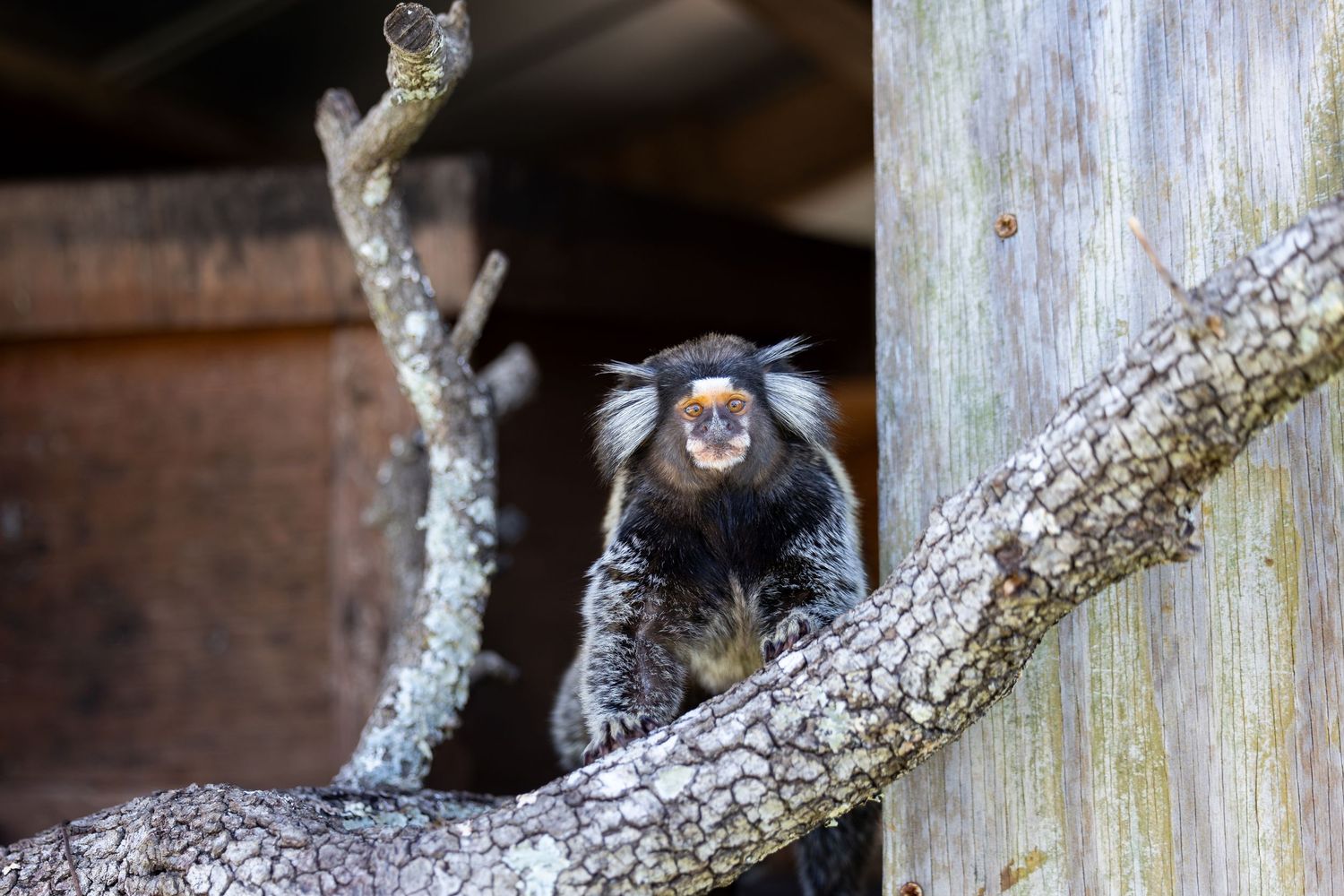
Anthropology often explores how human relationships reflect cultural values. One particular relationship — that between people and wild animals kept as companions — reveals a complicated intersection of love, curiosity, identity, and changing ethics.
When someone surrenders a wild animal to a sanctuary, rescue center, or accredited zoological institution, it is rarely a simple story. Instead, these moments act as cultural and emotional turning points, illustrating evolving ideas about stewardship, belonging, and responsibility.
Understanding “Surrender” in a Cultural Context
Anthropologically speaking, surrender is more than a transfer of physical responsibility. It is a symbolic transition — from possession to partnership, from ownership to acknowledgment.
In many cases, individuals who surrender wild animals do so because they realize that, despite their affection, they cannot meet the animal’s needs. This is not failure. It is an example of ethical reconsideration.
In the United States and beyond, the desire to keep exotic species often arises from:
- Admiration for an animal’s beauty or character
- A wish to form a close connection
- Cultural influences (e.g., media, family, community)
- Lack of understanding about the animal’s true needs
These motivations are deeply human — rooted in longing for connection.
When individuals later decide to surrender an animal, it is often because they have learned something new: that the animal requires space, diet, social contact, or enrichment that cannot be provided in a home environment.
Anthropology helps us understand how this learning process reflects shifting social ideas about animal care.
Why Surrender Happens
People surrender wild animals for many reasons:
Emotional Realization
Some owners develop deep affection for these animals and choose surrender because they believe the animal deserves the best possible life.
Practical Realities
As animals mature, behaviors change. Primates become stronger and need complex social structures; parrots develop long-term bonds; big cats require large territories. Owners sometimes decide that professional care is a better environment.
Legal Changes
Regulations may require relocation to permitted facilities.
Life Circumstances
Changes such as illness, relocation, or financial strain can result in surrender.
Whatever the reason, surrender is usually rooted in care — an acknowledgment of the animal’s intrinsic needs.
What Sanctuaries & Ethical Facilities Provide
When surrendered animals enter ethical managed-care settings — including sanctuaries or accredited zoos — they gain access to specialized:
- Nutrition
- Veterinary care
- Behavioral enrichment
- Social environments
- Skilled staff
- Long-term habitat stability
These environments are designed to respect the animal’s individuality.
Some animals make remarkable transitions:
Primates begin grooming and forming friendships
Birds learn flock behaviors
Carnivores engage with enrichment that replicates hunting patterns
Studying these transitions offers insight into behavioral resilience — a valuable area of research for both science and welfare.
What Surrender Teaches Us About Humans
Anthropology interprets surrender as evidence of evolving ethics.
Historically, many cultures viewed wildlife primarily as resources. Today, a growing number of people see animals as beings with emotional and social lives.
This shift mirrors global conversations about animal rights, conservation, and coexistence.
Surrender, then, is more than an end.
It is a beginning.
It marks the transition from human-centered ownership toward a relationship grounded in mutual respect.
Cultural Transformation Through Stories
Every surrendered animal carries a story — not just about its journey, but about the people around it. These stories challenge assumptions. They encourage societies to adopt new standards of care and empathy.
Anthropology teaches us that cultural change often begins with individual choices.
Surrender is such a choice — one that reflects humility, responsibility, and belief in a better future for the animal.