Anthropology is often described as the study of human beings — our origins, our stories, our cultures, and the meanings we create. But the line between “human” and “not human” has never been as fixed as it might seem. Every culture, from the most ancient to the contemporary, has formed relationships with the animal world, interpreting and interacting with wildlife in ways that offer profound insight into who we are.
Animals as Cultural Knowledge-Holders
Across the globe, animals are integrated into systems of knowledge, spirituality, and daily living. Among many Indigenous peoples of North America, animals have traditionally been approached as teachers, relatives, and guides. Stories of buffalo, wolf, or eagle are more than folklore — they are extensions of a worldview that sees animals as beings with agency and wisdom.
In some communities, the appearance of a certain species is interpreted as communication. In others, a hunt is not only physical but spiritual, requiring proper requests, gratitude, and ritual. These practices point to a shared historical sensibility: humans and animals are interconnected, and survival depends on cooperation rather than dominance.
Anthropology helps preserve these stories. It recognizes that Indigenous ecological knowledge — developed through centuries of direct observation and respect — has shaped the way humans understand the natural world. This is not symbolic knowledge; it is experiential.
Animals as Social Partners
Social anthropology sheds light on how animals influence human relationships. Think of the way horses shaped Plains culture, or how caribou migration shaped the long-distance travel patterns of nomadic northern communities. Animals do not simply inhabit the landscape; they are embedded in the socio-economic life of a people.
Companion animals also offer a unique perspective. Dogs, for example, were among humanity’s earliest partners, not merely tools but participants in shared life. For millennia, humans have read behavior, emotion, and intention in animals’ gestures — and animals have done the same in humans.
This mutual recognition is central to anthropology’s understanding of interspecies connection.
Learning Through Shared Space
In modern times, sanctuaries, ethical zoological institutions, and wildlife centers are among the places where this connection continues to take shape. While public opinions on managed care vary, these spaces have undeniably provided researchers the ability to learn about animal behavior at close range — an opportunity not always available in the wild.
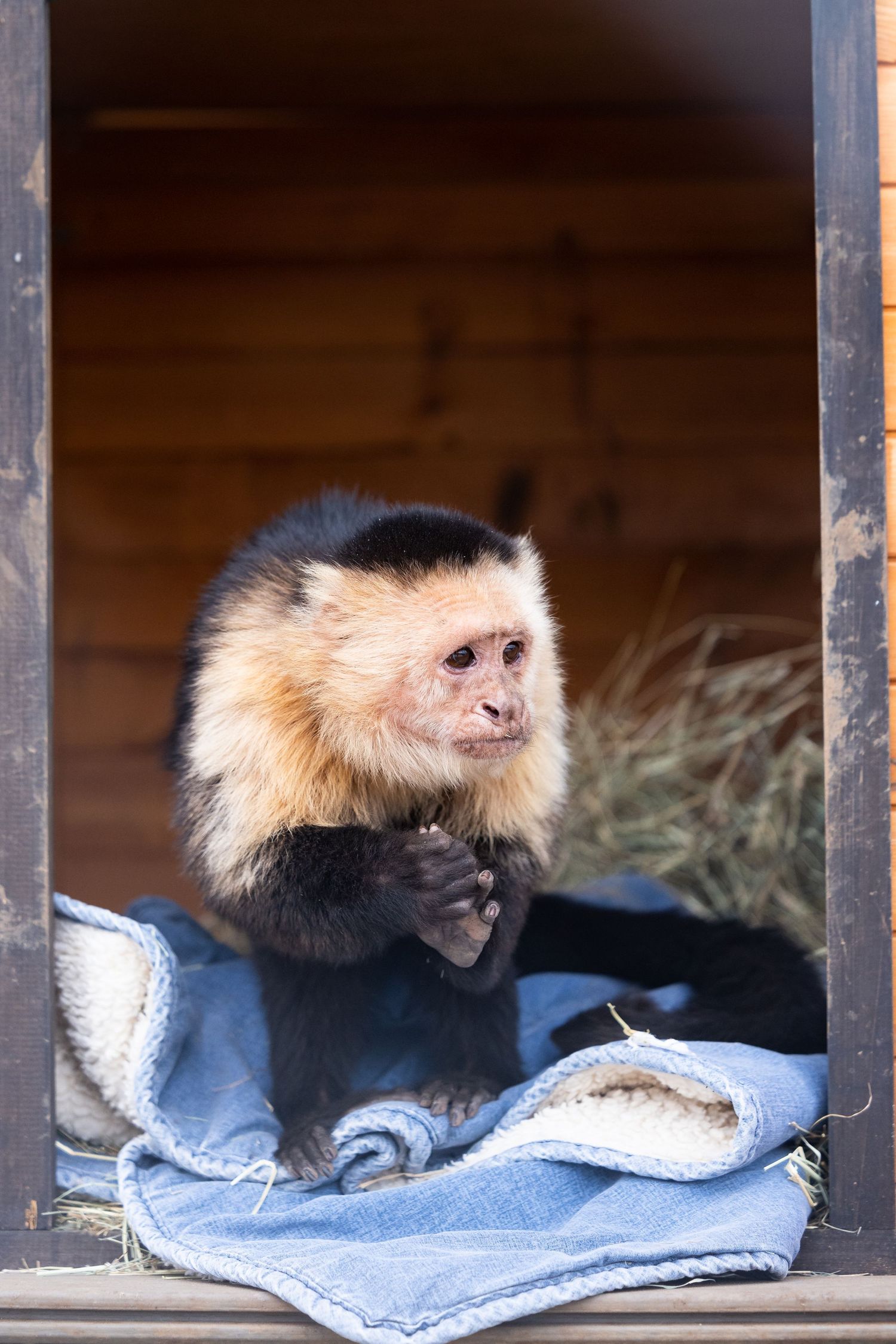
Observing animals in these settings has expanded our understanding of communication, cognition, and emotional lives across species. For example, primatologists working with chimpanzees, gorillas, and other primates have documented complex social networks, problem-solving behavior, tool use, and even culturally specific gestures.
For many species, the ability to watch consistent social groups over long periods makes it possible to understand development, aging, conflict, and reconciliation — phenomena that are much harder to document in the wild.
Ritual and Relationship
In many traditional societies, interaction with animals includes ritual. Ceremony, art, and storytelling help maintain respectful relationships. These practices remind humans of their place in a shared world — one in which other species matter not only biologically but socially and spiritually.
In a way, sanctuaries and care facilities echo this mindset. Caretakers often describe the work as a relationship — built on trust, respect, and observation. When a rescued animal dies, it is not uncommon for caregivers to honor that individual’s passing through reflection or gathering. This is not ritual in a religious sense but represents a human desire to honor another life.
A Path Toward Reconnection
Anthropology invites us to examine our assumptions. Are humans truly separate from nature, or have we simply forgotten our place within it?
As more people engage with wildlife — whether through sanctuary stewardship, ethical zoological study, or field research — the opportunity emerges to rebuild older relationships. Anthropology helps guide this process, reminding us that our connection to animals is ancient.
Understanding that connection may be key to protecting the planet in the years to come.